The 4th International Conference on Data Security and Privacy Protection






About DSPP 2026
The International Conference on Data Security and Privacy Protection (DSPP) is an established annual international conference on data security and privacy protection. DSPP 2026 will be held in Nanjing, China, on November 06–08, 2026. The conference promotes discussion on the latest theory, algorithms, applications, and emerging topics on data security and privacy protection. Authors can present their papers either through an online meeting or in-person at the conference. DSPP 2026 encourages the cross-fertilization of ideas and provides a platform for researchers, professionals, and students from all around the world to discuss and present their findings.
Important Dates
| Paper Submission Due | August 22, 2026 |
|---|---|
| Author Notification | September 22, 2026 |
| Author Registration Due | October 13, 2026 |
| Conference Date | November 06–08, 2026 |
Sponsors



Keynote Talks
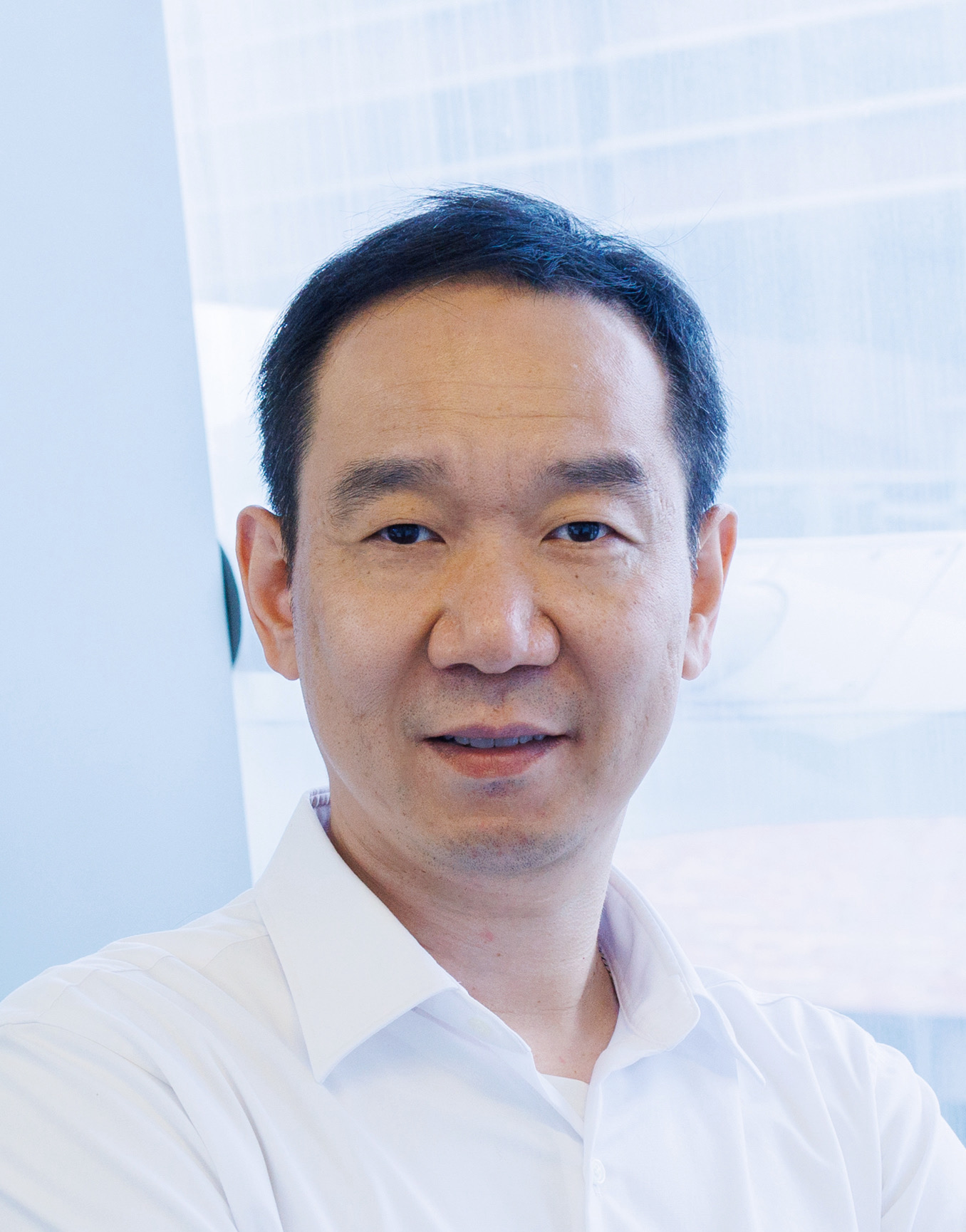
Prof. Song Guo
Affiliation: Hong Kong University of Science and Technology (HKUST), Hong Kong, China
Title: To be done
Song Guo is a Chair Professor in the Department of Computer Science and Engineering (CSE) at the Hong Kong University of Science and Technology (HKUST). He also holds a Changjiang Chair Professorship awarded by the Ministry of Education of China. His research interests are mainly in Large Language Model, Physical AI, and Machine Learning Systems. As a Highly Cited Researcher (Clarivate Web of Science), he published many papers in top venues with wide impact in these areas and received over a dozen Best Paper Awards from IEEE/ACM. He is also the recipient of Edward J. McCluskey Technical Achievement Award in 2024, First Prize in Natural Science (Shanghai Science and Technology Award) in 2024, First Prize in Natural Science (China Electronics Society) in 2023, etc. Prof. Guo is a world-renowned leader in Physical AI, making fundamental and pioneering contributions to the development of intelligent robotic systems, world models, embodied AI, and foundation models for physical-world interaction. His research advances the architectures, algorithms, and systems that enable robots and AI agents to perceive, reason, plan, and act in complex real-world environments. His work has created significant impact, from generating new scientific knowledge to developing innovative technologies for next-generation robotics and physical AI. He is a Fellow of the Canadian Academy of Engineering (FCAE), Member of Academia Europaea (MAE), and Fellow of the IEEE (FIEEE).
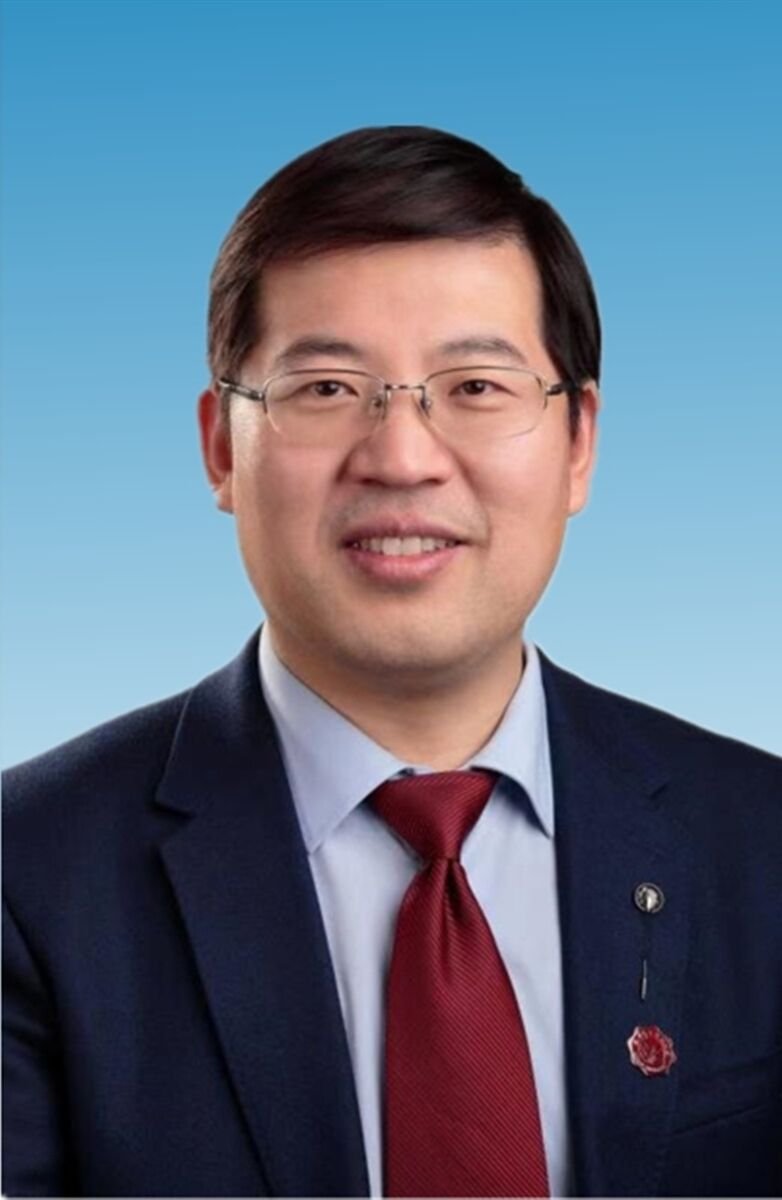
Prof. Xinbo Gao
Affiliation: Xidian University, China
Title: To be done
Xinbo Gao is President of Xidian University, as well as Professor and Doctoral Supervisor. He previously served as President and Deputy Secretary of the Party Committee of Chongqing University of Posts and Telecommunications. His main research interests include computer vision, machine learning, pattern recognition, artificial intelligence, and smart cities. Prof. Gao has long been engaged in research on visual information processing, artificial intelligence, and related interdisciplinary fields. He has authored 6 academic books and published approximately 300 papers in international journals and conferences. He serves on the editorial boards of international journals including Signal Processing and Neurocomputing, and has served as General Chair/Co-Chair, Program Committee Chair/Co-Chair, or Program Committee Member at around 30 major international conferences. Prof. Gao is a Fellow of IET/IEE and a Senior Member of IEEE. He also holds leadership roles in several Chinese academic societies, including Council Member of the China Computer Federation, Standing Council Member of the China Society of Image and Graphics, Fellow and Council Member of the Chinese Institute of Electronics, and Senior Member of the Chinese Association for Artificial Intelligence. In addition, he holds important positions in academic organizations such as the IEEE Xi'an Section and the ACM Xi'an Chapter.
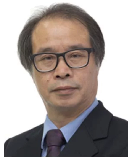
Prof. Huaxiong Wang
Affiliation: Nanyang Technological University, Singapore
Title: To be done
Huaxiong Wang is a Professor at the School of Physical and Mathematical Sciences and President's Chair Professor (Cryptography) at Nanyang Technological University, Singapore. He received his PhD in Computer Science from the University of Wollongong, Australia, in 2001. He currently serves as Co-Director of the Singapore National Centre for Digital Trust, and also participates in leading work at NTU's Strategic Centre for Research in Privacy-Preserving Technologies and Systems. Professor Wang has long been engaged in research on cryptography and information security, with research interests spanning cryptography, information security, combinatorics, coding theory, and theoretical computer science. His research covers the design and analysis of cryptosystems, privacy-preserving technologies, post-quantum cryptography, security protocols, and their related mathematical foundations, giving him significant international influence in the fields of cryptography and cybersecurity. Professor Wang has published extensively in major international journals and conferences, and has authored and co-authored several academic books on cryptography. He received the inaugural Best Research Contribution Award from the Australian Computer Science Association, was an invited speaker at ASIACRYPT 2017, and served as Program Committee Co-Chair for both ASIACRYPT 2020 and ASIACRYPT 2021. He has long served as an editorial board member of international journals and as a program committee member or chair for international conferences, making significant contributions to the academic community in cryptography and information security.
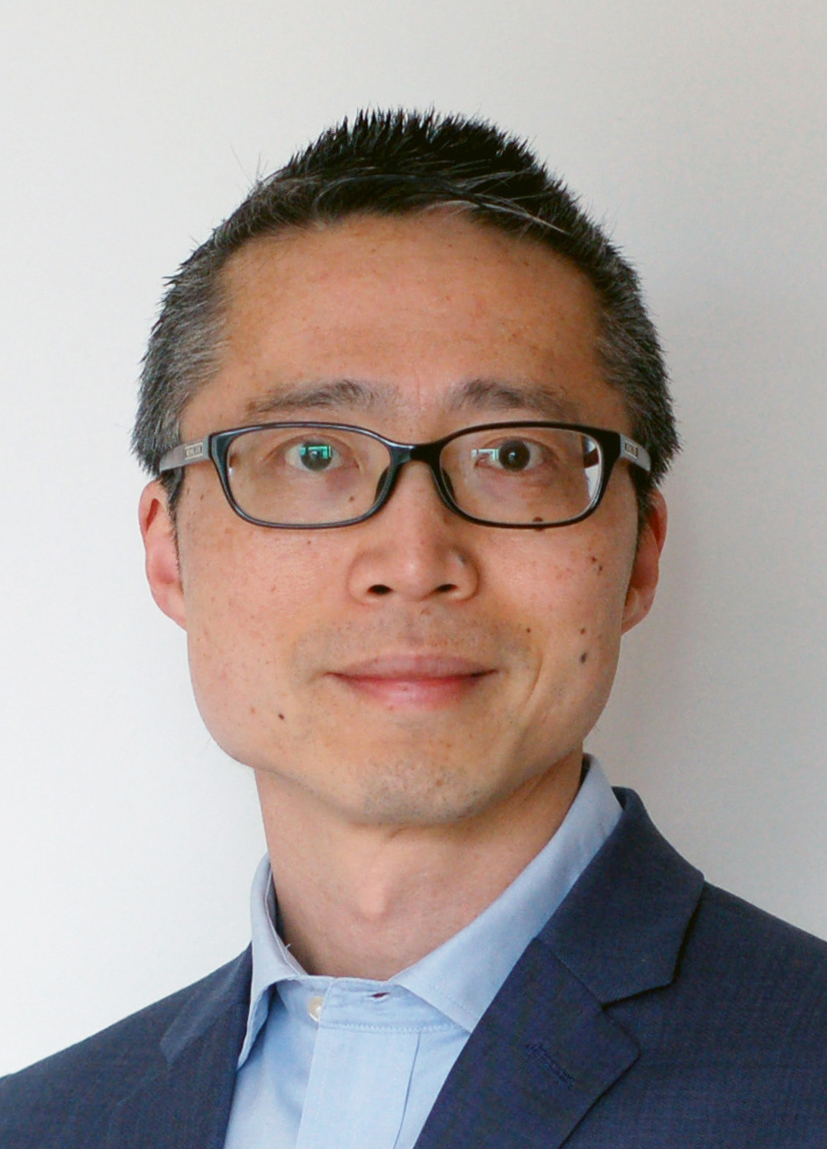
Prof. Yang Xiang
Affiliation: Swinburne University of Technology, Australia
Title: To be done
Yang Xiang is a Professor and Dean of Digital Research at Swinburne University of Technology, Australia. He is primarily responsible for advancing the university's digital research strategy, leading research teams through digital transformation and innovation to help industry partners solve real-world problems. He founded Swinburne's Digital Research Innovation Capability Platform, driving the research and development of digital technologies and their translation into real-world applications. Prof. Xiang has long been engaged in research on cyberspace security, with research interests spanning network and system security, data analytics, distributed systems, and networking technologies. Over the past 20 years, he has published more than 300 academic papers in major international journals and conferences. He currently serves as Editor-in-Chief of SpringerBriefs on Cyber Security Systems and Networks, and as Associate Editor for international journals including IEEE Transactions on Dependable and Secure Computing, IEEE Internet of Things Journal, and ACM Computing Surveys. Prof. Xiang is an IEEE Fellow, and serves as the Asia Coordinator of the IEEE Computer Society's Technical Committee on Distributed Processing, as well as Chair of the Australia and New Zealand region of the IEEE Blockchain Community. He holds significant academic influence in the fields of cyberspace security, distributed systems, and blockchain research.
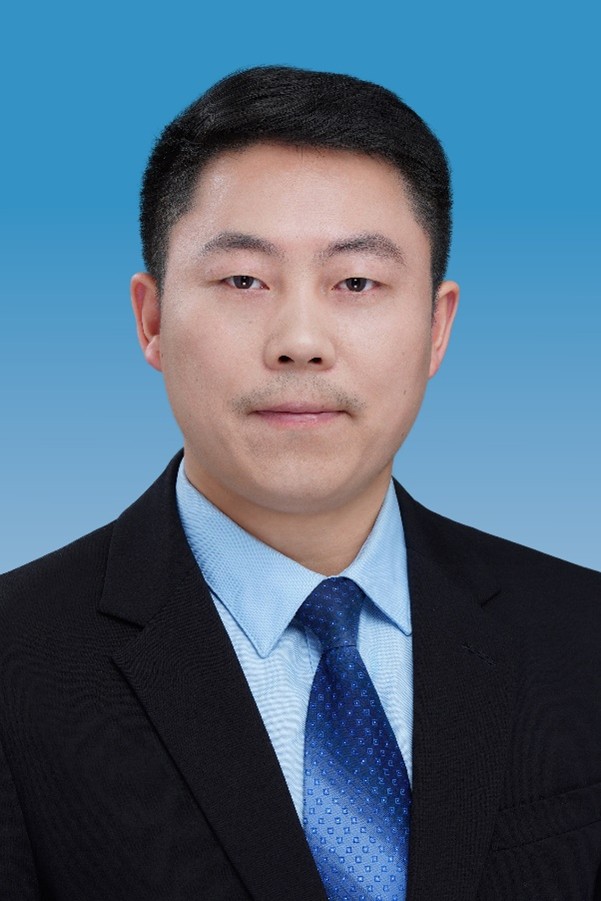
Prof. Ding Wang
Affiliation: Nankai University, China
Title: To be done
Ding Wang received his Ph.D. degree in Information Security at Peking University in 2017, and was supported by the ”Boya Postdoctoral Fellowship” in Peking University from 2017 to 2019. Currently, he is a Full Professor at Nankai University. As the first author (or corresponding author), he has published more than 140 papers at venues like IEEE S&P, ACM CCS, NDSS, USENIX Security, IEEE TDSC and IEEE TIFS. His research has been reported by over 200 media like The Wall Street Journal, Daily Mail, Forbes, IEEE Spectrum and Communications of the ACM, appeared in the Elsevier 2017 “Article Selection Celebrating Computer Science Research in China”, and resulted in the revision of the authentication guideline NIST SP800-63. He has been involved in the community as a PC Chair/TPC member for over 60 international conferences such as USENIX Security 2027, NDSS 2023-2025, ACM CCS 2022, ACM AsiaCCS 2027/2025/2022/2021, PETS 2022-2024, ACSAC 2020-2024, RAID 2024/2023, FC 2025-2027, IFIP SEC 2018-2026, ICICS 2018-2026, SPNCE 2020-2022. He has received the “ACM China Outstanding Doctoral Dissertation Award”, the Best Paper Award at INSCRYPT 2018, the First prize of Innovation Award of China Association for Cryptologic Research, the First Prize of Natural Science Award of Ministry of Education, and the Young Scientist Nomination Award for Powerful Nation. His research interests focus on Secret Key Security and Provable Security.
Invited Talks
Dr. Gelei Deng
Affiliation: Nanyang Technological University, Singapore
Title: To be done
Gelei Deng is currently a Research Assistant Professor at Nanyang Technological University, Singapore. His research lies at the intersection of artificial intelligence and cybersecurity, with primary interests in AI safety and security, large language models and automated security testing. Dr. Deng has made a series of contributions to the security analysis of AI and cyber systems, including automated jailbreaking and red teaming of large language models, LLM-empowered penetration testing, prompt injection attacks, robotic and autonomous-system security, and software/system security testing. His work has been published in leading international conferences and venues in computer security, software engineering, and artificial intelligence, including USENIX Security, ACM CCS, NDSS, ESEC/FSE, ASE, and ICSE. He received his Ph.D. in Computer Science from Nanyang Technological University and his B.E. in Electrical Engineering from the Singapore University of Technology and Design. His research has attracted broad academic attention, with more than 70 publications and over 5,000 citations.
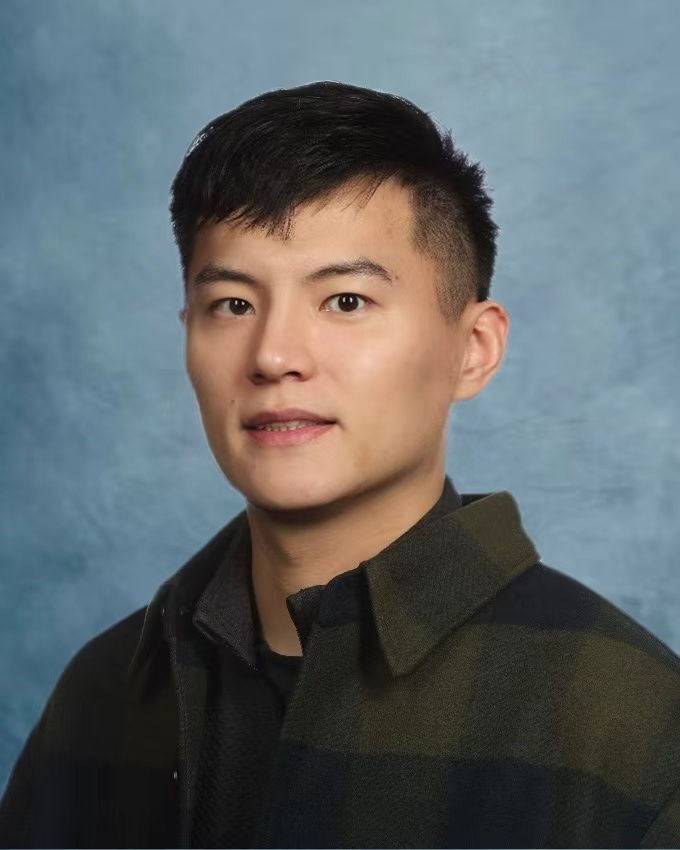
Dr. Kunpeng Xu
Affiliation: McGill University and Mila – Quebec AI Institute, Canada
Title: To be done
Kunpeng Xu is currently a Postdoctoral Fellow at McGill University and an affiliated researcher at Mila – Quebec AI Institute, Canada, an artificial intelligence research institute founded by Turing Award laureate Yoshua Bengio. His research lies at the intersection of artificial intelligence and cybersecurity, with primary interests in machine learning, data mining, representation learning, and explainable artificial intelligence. Dr. Xu has made a series of contributions to data security, pattern discovery, dynamic concept modeling, and the representation and analysis of complex, evolving data. To date, he has published more than 30 research papers in leading international conferences and journals, including AAAI, NeurIPS, WWW, IJCAI, ICDM, SIAM SDM, PAKDD, IEEE COMPSAC, DEXA, IEEE TNNLS, IEEE TKDE, IEEE TAI, Pattern Recognition, Neurocomputing, and Expert Systems with Applications. He has also served as a Program Committee or Senior Program Committee member for several major international conferences in artificial intelligence, machine learning, and data mining, as well as Session Chairs at international academic conferences. Dr. Xu is a recipient of a research grant from the Fonds de recherche du Québec – Nature et technologies (FRQNT), Canada, for the 2025–2028 period.
Journal Recommendations
Selected papers presented at the DSPP 2026 will be invited to consider submission (after significant extension) for special issues or topical selections in the following journals:
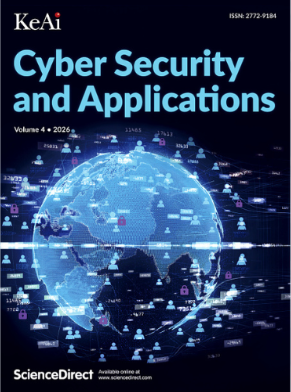 |
Cyber Security and Applications
CiteScore: 17.8
SI: Secure Computation and In-depth Utilization over Encrypted Data (KeAi Call for Papers; ScienceDirect Special Issue) Learn more |
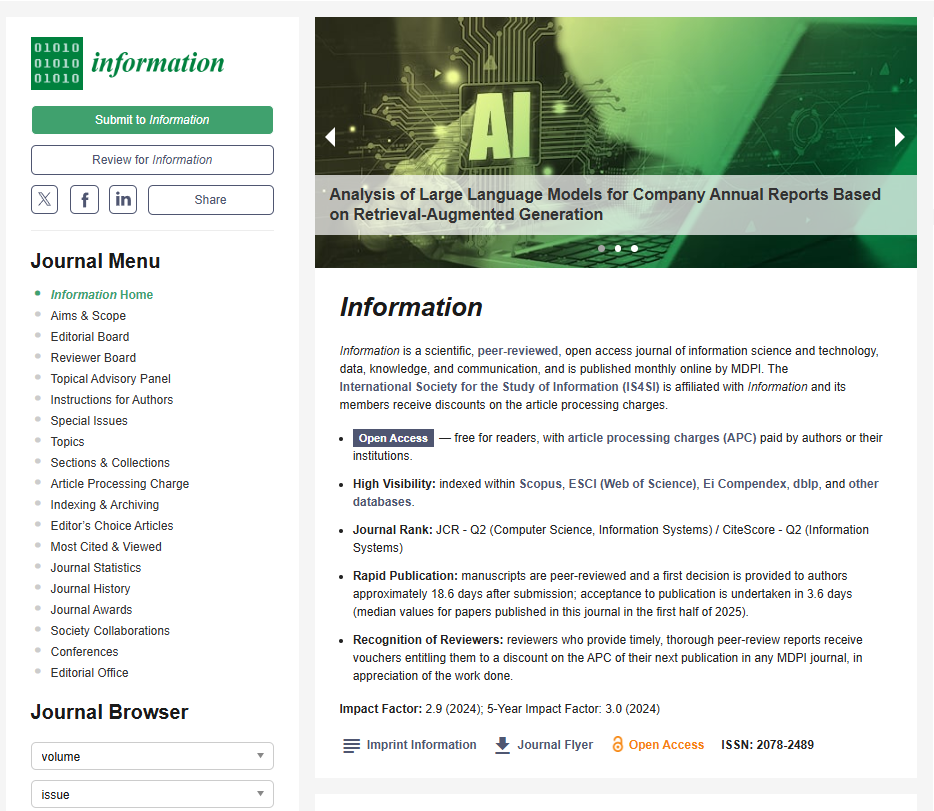 |
Information
Impact Factor: 4.3
SI: Blockchain Security and Smart Contract Learn more |
Conference Venue
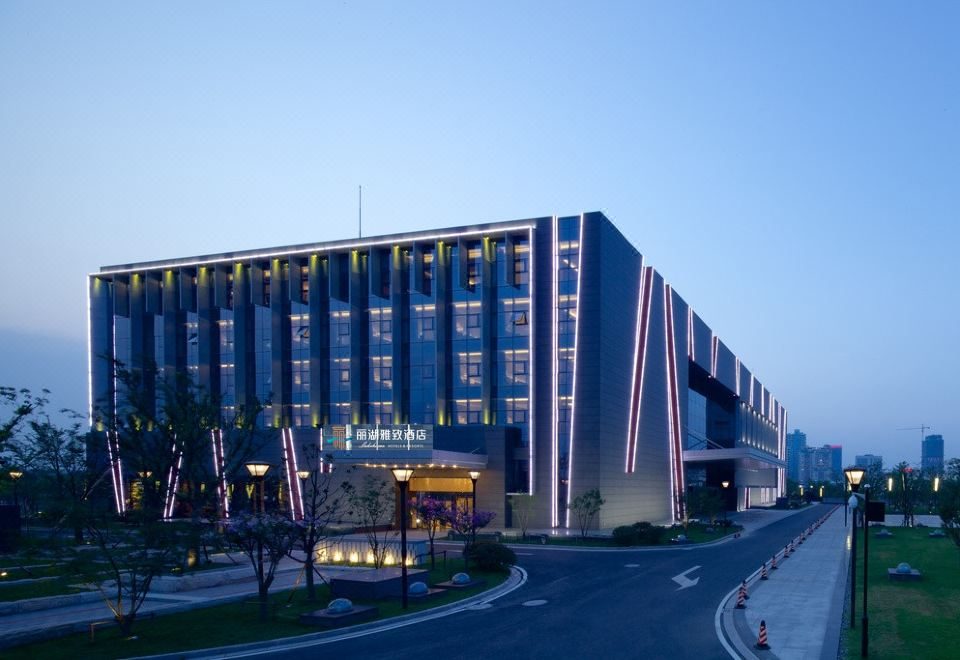
DSPP 2026 will be held at 丽湖雅致酒店 (Lakehome Hotels and Resorts), Nanjing.
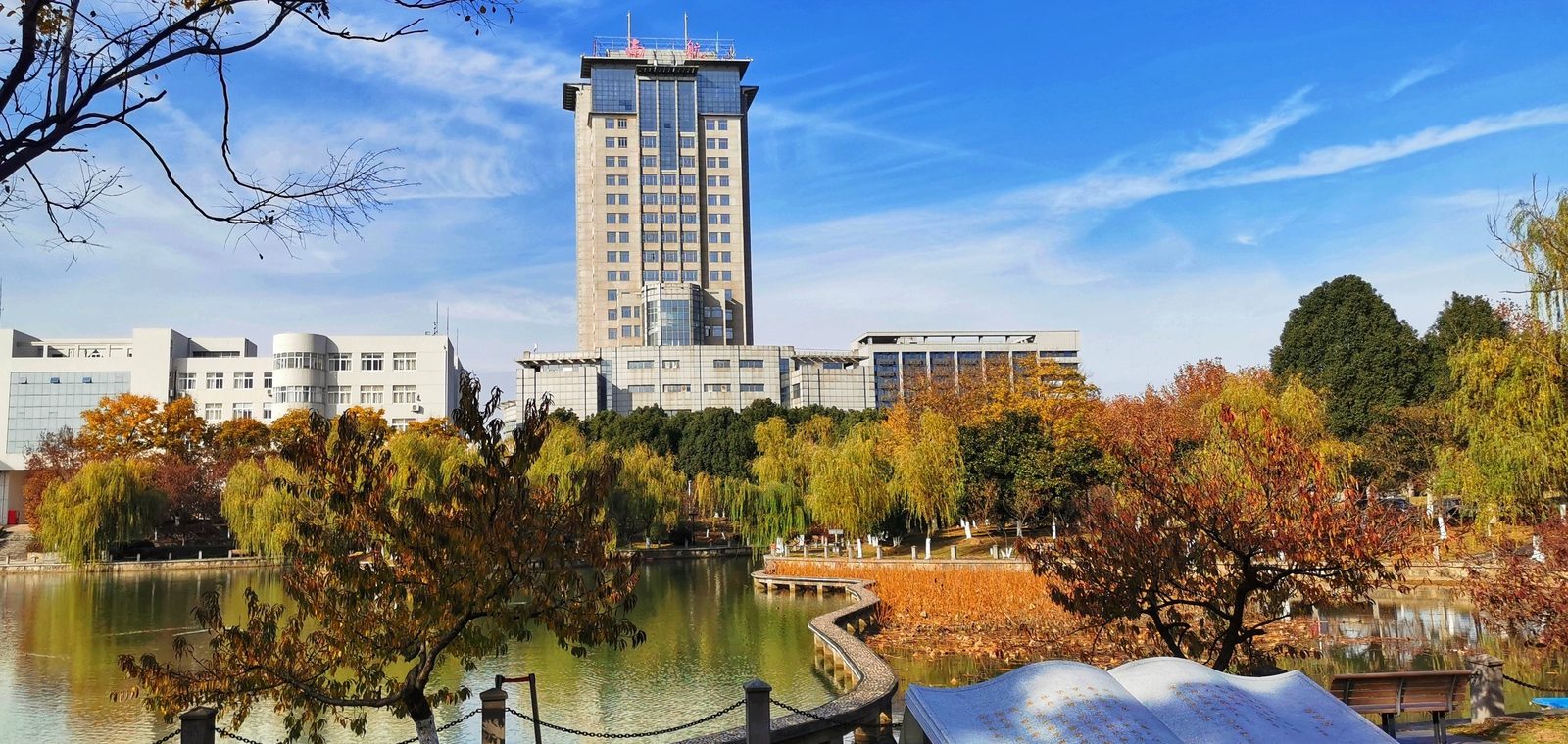
The conference is organized by the College of Computer Science and Technology, Nanjing University of Aeronautics and Astronautics (南京航空航天大学计算机科学与技术学院). 丽湖雅致酒店(Lakehome Hotels and Resorts) is located in Jiangning District, Nanjing, on the scenic shores of Baijiahu Lake. The hotel offers a pleasant lakeside environment, providing an ideal setting for academic exchange and collaboration.